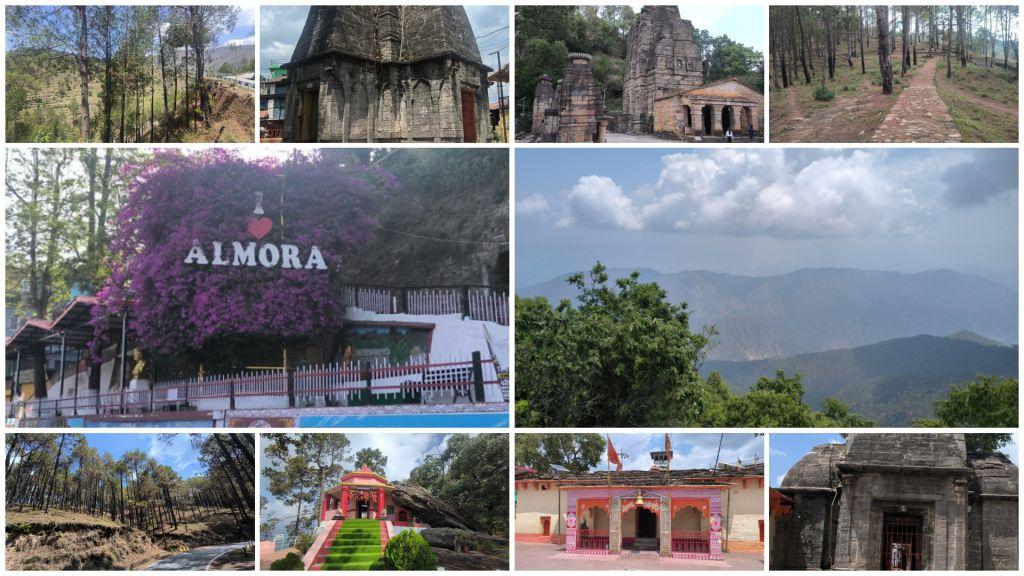
Solo Trip from Rudrapur to Almora: A 2-Day Budget Travel Guide to the Heart of Kumaon
Travel through the cultural heart of Kumaon on this detailed Solo Trip from Rudrapur to Almora. Explore ancient temples, Binsar Wildlife Sanctuary, Zero Point, scenic mountain roads, local Kumaoni food and practical budget travel tips for an unforgettable two-day weekend getaway.
There is something special about returning to your roots – not just to meet family but to rediscover the land where your journey began. Although I was born in Pantnagar (then part of U.P.) and spent my entire childhood in the Kumaon region, my travels within my home state had remained surprisingly limited. Apart from a few family vacations to Nainital and the annual summer visits to my maternal grandparents in Dehradun, I had never ventured into the many charming hill towns that make Uttarakhand one of India’s most beautiful states.
Over the last three decades, work and life took me to different parts of India. Yet, I continued to visit my home town in Rudrapur every year. During one such visit, I realized how ironic it was that I had explored so much of the country while knowing so little about my own home state. That realization sparked a personal challenge – to gradually explore every major destination in Uttarakhand during my visits home.
The first destination on this journey was Almora, one of Kumaon’s most historic hill towns.
This is the story of my two-day solo trip from Rudrapur to Almora – a journey filled with mountain roads, ancient temples, peaceful forests, nostalgic memories, and unforgettable Himalayan landscapes, all completed on a modest budget.
Day 1: Rudrapur to Almora – Trains, Hills and Heritage
An Early Morning Start from Rudrapur
The first day of my solo trip from Rudrapur to Almora began well before sunrise.
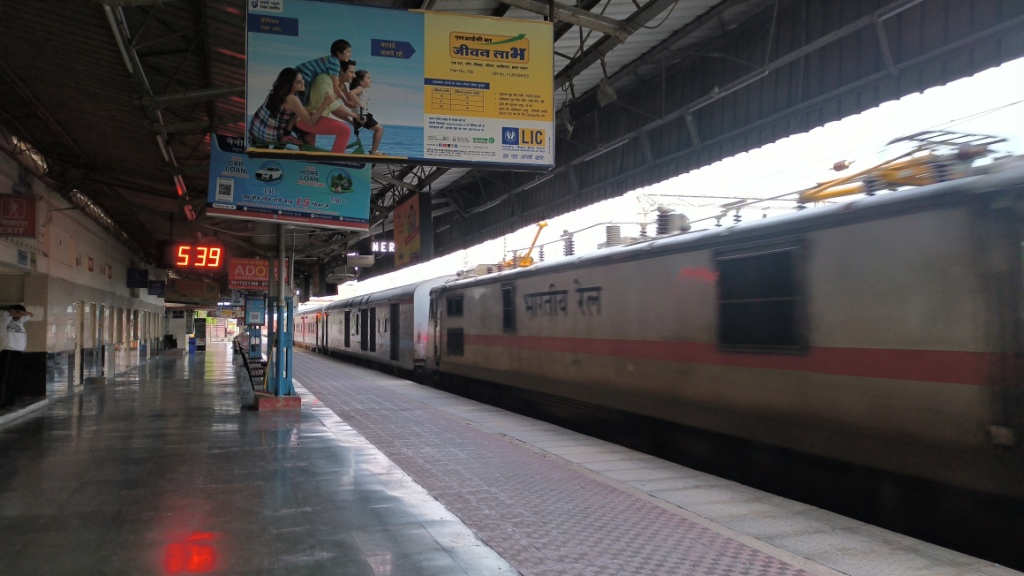
At 5:30 AM, I boarded the Dehradun – Kathgodam Express (Train No. 14120) from Rudrapur City Railway Station. Travelling by train has always been my preferred way to begin any journey. It is economical, comfortable and allows you to slowly watch the landscape transform outside your window.
As the train crossed Lalkuan, something unexpected happened. The familiar smell from the paper mill drifted into the coach. Instantly, I was transported back to my school days in Pantnagar. During those years, the same distinctive smell would often spread across the town during early mornings and late evenings. It is fascinating how certain fragrances can unlock memories that have remained hidden for decades. Sometimes, travelling is not just about reaching new places. It is also about reconnecting with forgotten moments from the past.
Rudrapur Station
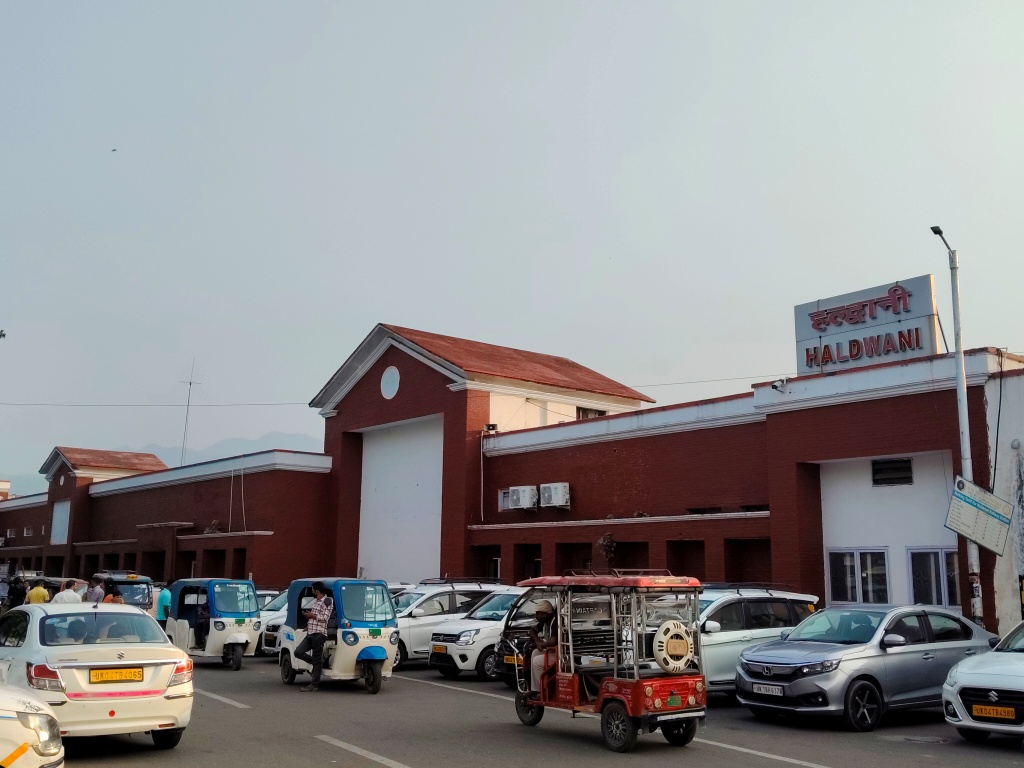
Haldwani Railway Station
After a pleasant journey of around one and a half hours, I reached Haldwani Railway Station at 7:00 AM. My train ticket had cost only ₹35, proving once again that trains remain one of the cheapest ways to travel across India. Instead of hiring an auto, I decided to walk the approximately 15-minute distance to the Haldwani Bus Stand. The fresh morning air and slowly awakening town made the short walk enjoyable.
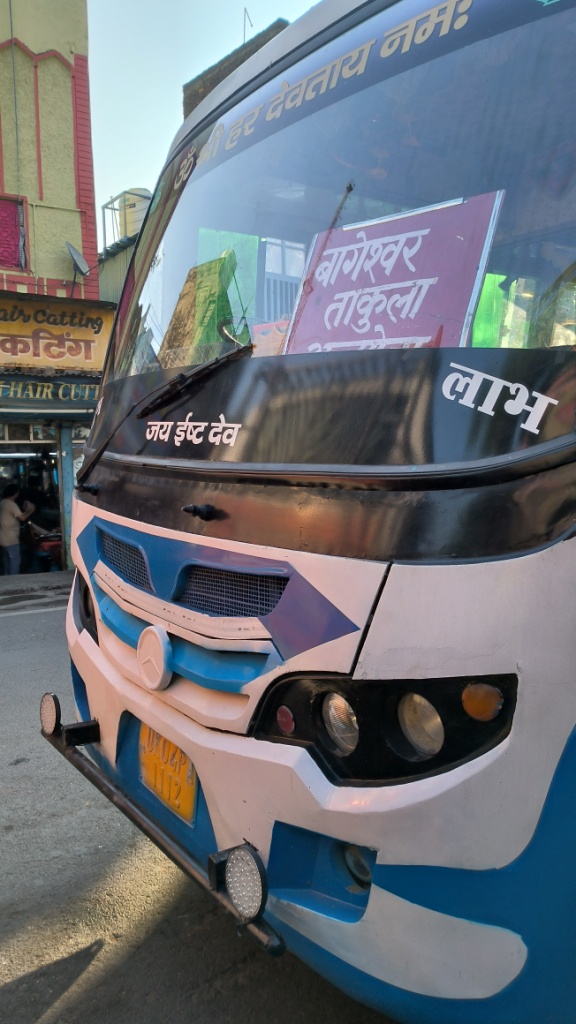
From the bus stand, I boarded a Bageshwar-bound Uttarakhand Roadways bus, which travels via the beautiful Bhowali – Almora route. The ticket to Almora cost ₹210. Like many hill buses, the departure time remained flexible. Rather than following a strict schedule, the driver patiently waited until every seat had been occupied before finally starting the journey.
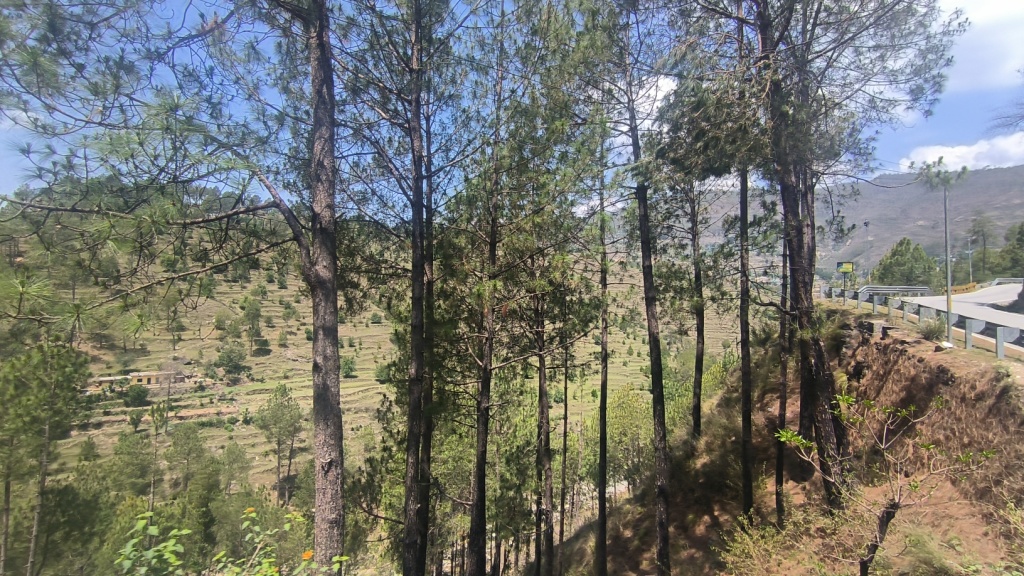
Soon, the plains disappeared behind me. The road gradually climbed into the Kumaon hills, revealing dense pine forests, deep valleys and winding mountain roads. Every turn opened another breath-taking view. Unfortunately, the journey also reminded me of one of Uttarakhand’s most common travel challenges.
Near Kainchi Dham, a massive traffic jam delayed us by nearly 45 minutes. Since the temple attracts thousands of devotees every day, especially during weekends and holidays, traffic congestion on this stretch has become fairly common. Thankfully, the spectacular mountain scenery more than compensated for the delay.
Arriving in Almora
Almora-PoIs
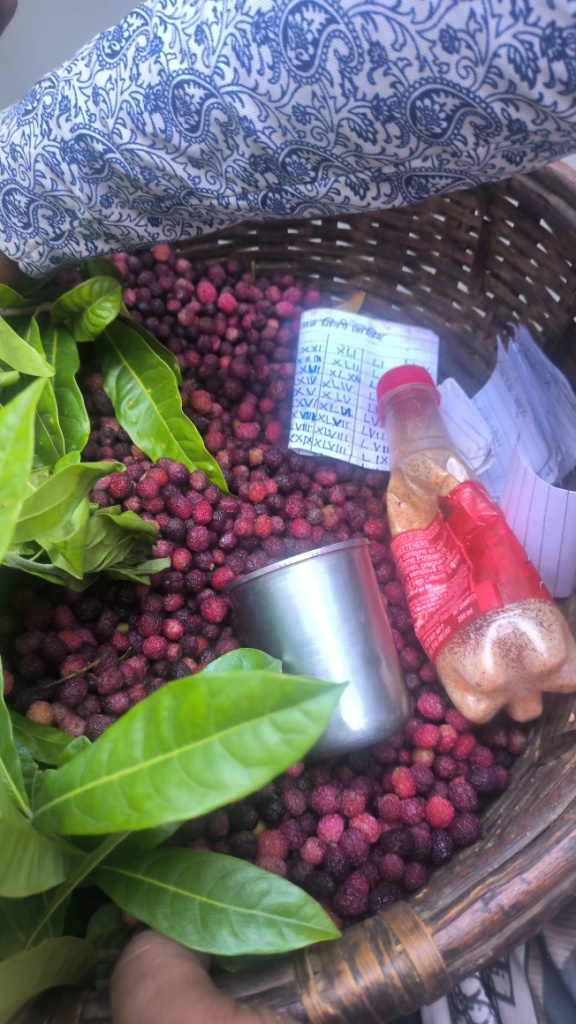
Kafal
Around 12 noon, I reached Almora Bus Stand. I was greeted by street vendors selling one of Kumaon’s most loved seasonal fruits – Kafal. Seeing those small, deep red berries instantly reminded me that summer had truly arrived in the hills. I simply couldn’t resist buying a handful for myself.
Founded in the 16th century by Chand dynasty and later developed further during the British period, Almora has remained the cultural heart of Kumaon. More importantly, it serves as the gateway to several iconic destinations including Kausani, Bageshwar, Jageshwar, Binsar, Chaukori, Ranikhet, and Pithoragarh. Whether you are a pilgrim, nature lover, photographer or road-trip enthusiast, chances are your journey through Kumaon will pass through Almora.
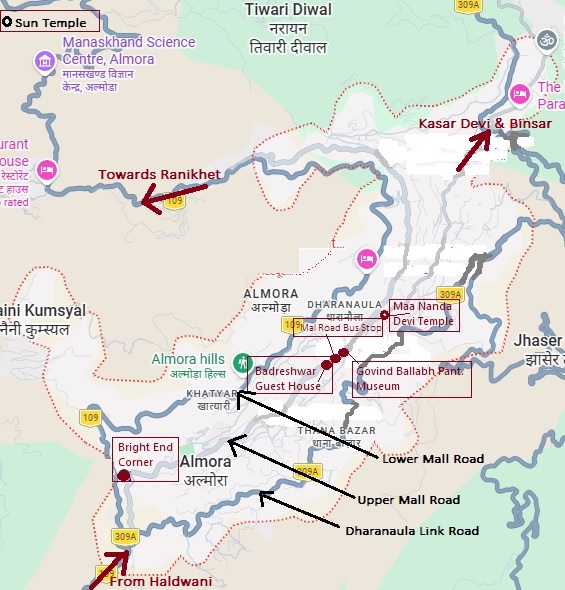
Before beginning my sightseeing, I spent a few minutes understanding the town’s unusual layout. Unlike cities built on flat land, Almora stretches along a narrow mountain ridge. Instead of a conventional road network, traffic moves through three roughly parallel levels: Upper Mall Road, Lower Mall Road & Dharanaula Link Road. Since the roads are narrow and widening them is nearly impossible, several stretches operate as one-way roads, especially near the market and bus stand.
At first glance, the system feels confusing to visitors. However, after spending a little time here, I realized that it is a remarkably practical solution for managing traffic in a historic hill town.
Finding a Budget Stay
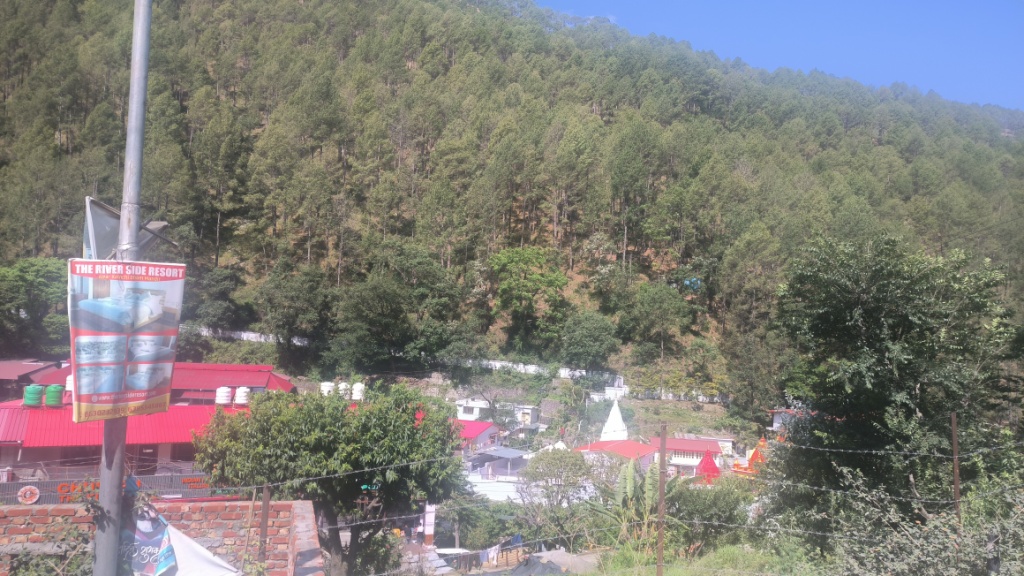
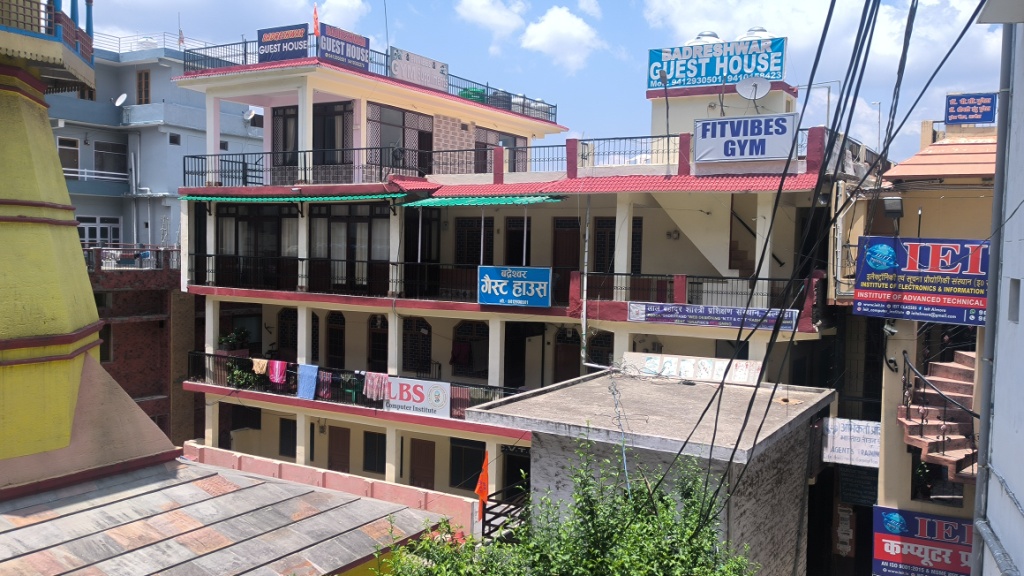
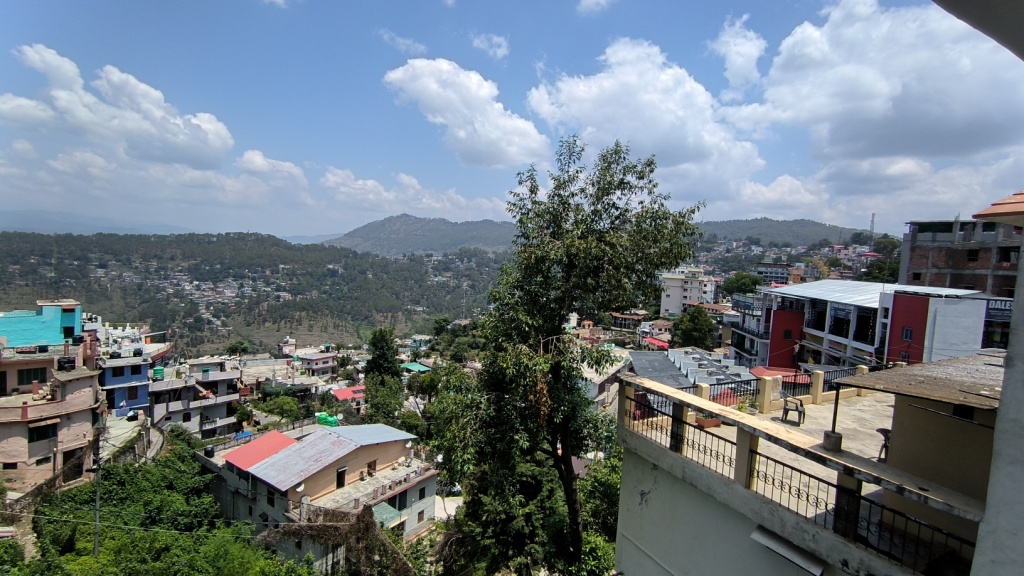
My first priority was accommodation. Fortunately, I did not have to search for long. A short walk from the bus stand brought me to Bhadreshwar Guest House, located conveniently on the Main Mall Road. The room cost ₹800 for the night. Although it was a simple budget room, it offered something priceless – a beautiful view of the rolling Kumaon hills from the window. After keeping my luggage inside and freshening up, I set out in search of lunch.
Bhadreshwar Guest House
View from the Guesthouse
My first priority was accommodation. Fortunately, I did not have to search for long. A short walk from the bus stand brought me to Bhadreshwar Guest House, located conveniently on the Main Mall Road. The room cost ₹800 for the night. Although it was a simple budget room, it offered something priceless – a beautiful view of the rolling Kumaon hills from the window. After keeping my luggage inside and freshening up, I set out in search of lunch.
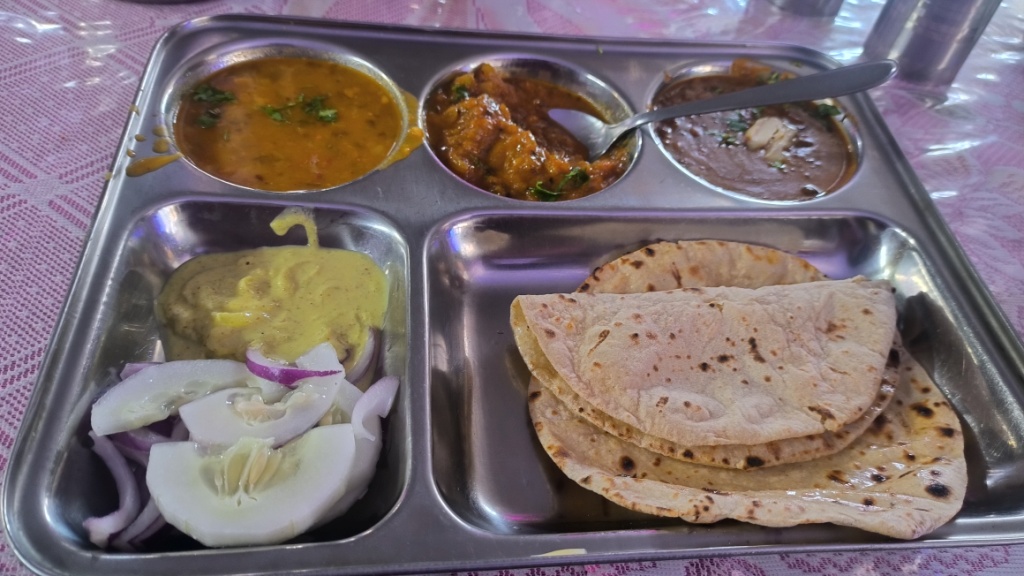
A quick search led me to Simple Family Restaurant, a modest eatery located on the Mall Road, wlaking distance from my hotel. The restaurant served a delicious vegetarian thali with freshly prepared tawa rotis and authentic Kumaoni Kadhi. The food was simple, fresh and satisfying – the perfect meal before an afternoon of walking through Almora.
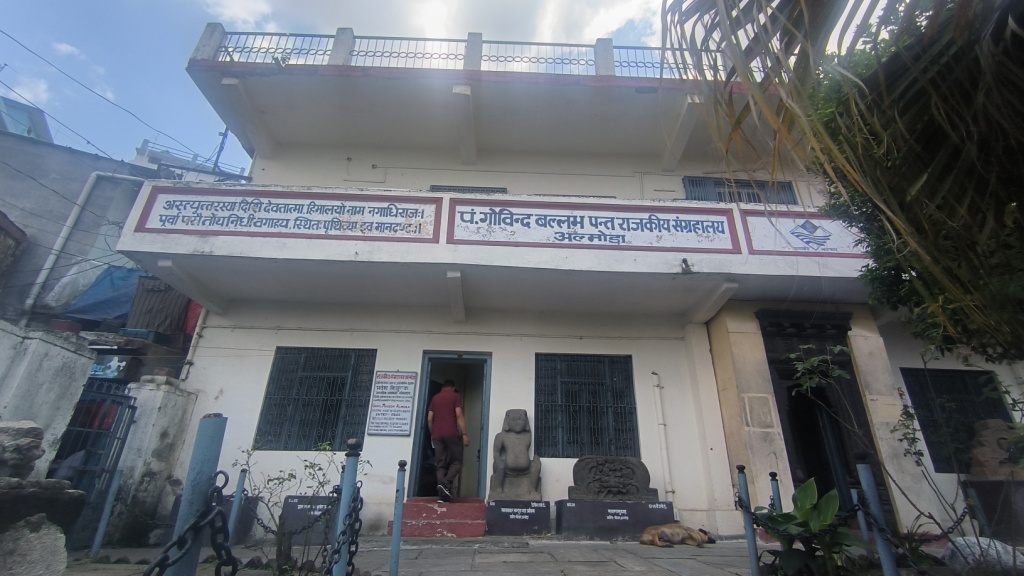
Govind Ballabh Pant Public Museum
My first sightseeing stop was the Govind Ballabh Pant Public Museum, located just opposite the bus stand on Mall Road. Being so close to the main market, it is probably one of the most frequently visited attractions in Almora. If you have visited large museums in Delhi, Mumbai or Mathura, it is important to keep your expectations realistic. This museum is much smaller, spread across only a handful of galleries. However, size is not everything. The museum pays tribute to Pandit Govind Ballabh Pant, one of India’s prominent freedom fighters and an important leader in the development of Uttarakhand after Independence.
Govind Ballabh Pant Museum
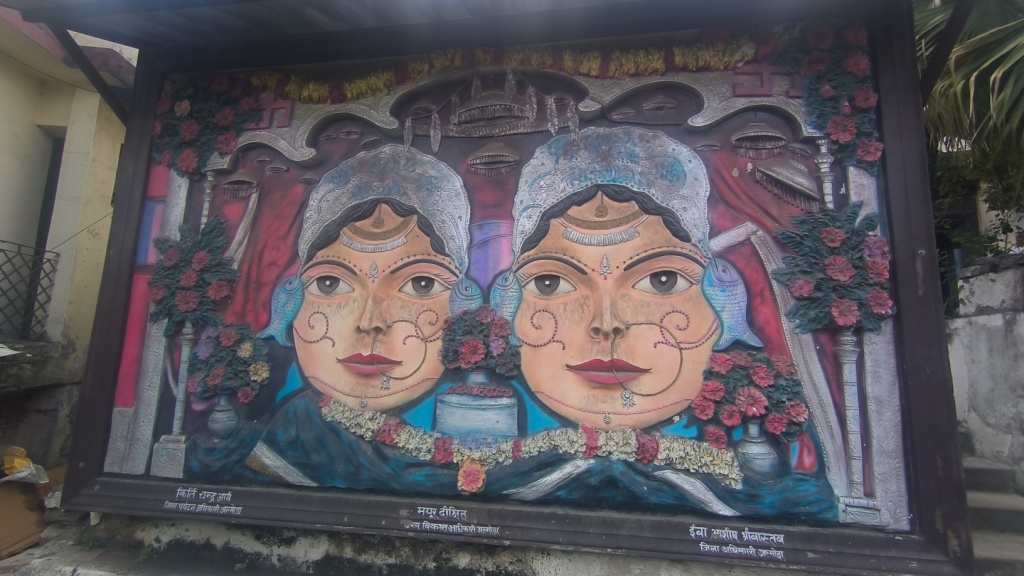
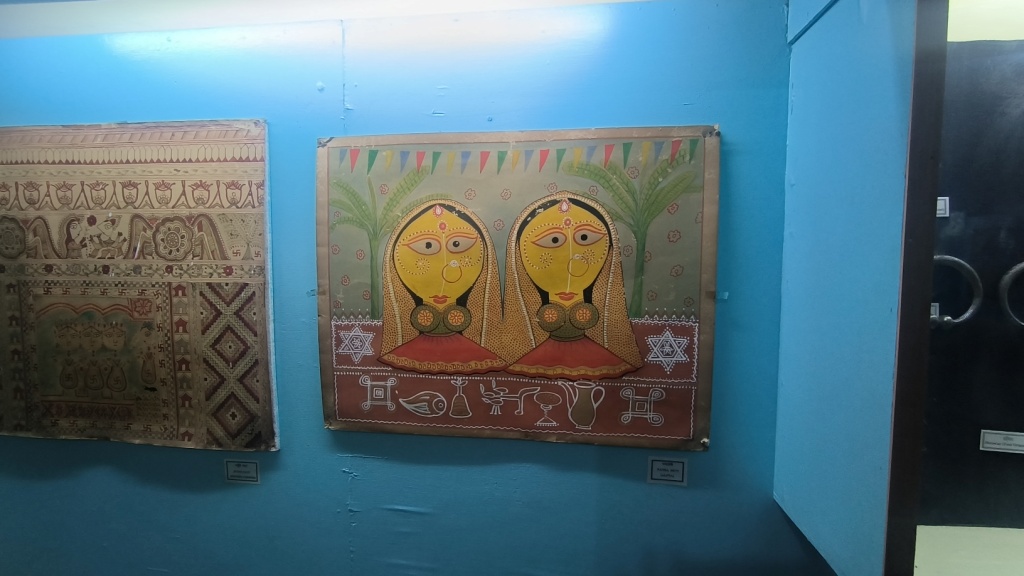
Aipan art - Nanda & Sunanda
Its collection includes fascinating artefacts from the Katyuri and Chand dynasties, both of which ruled Kumaon for several centuries. I particularly enjoyed seeing the collection of traditional Kumaoni Aipan art, one of the oldest folk art forms of the region. There is no entry fee. If you have about thirty to forty-five minutes to spare while exploring Almora, this museum is certainly worth a visit. Timings: 10:30 AM to 4:30 PM (Closed on Mondays and Government Holidays)
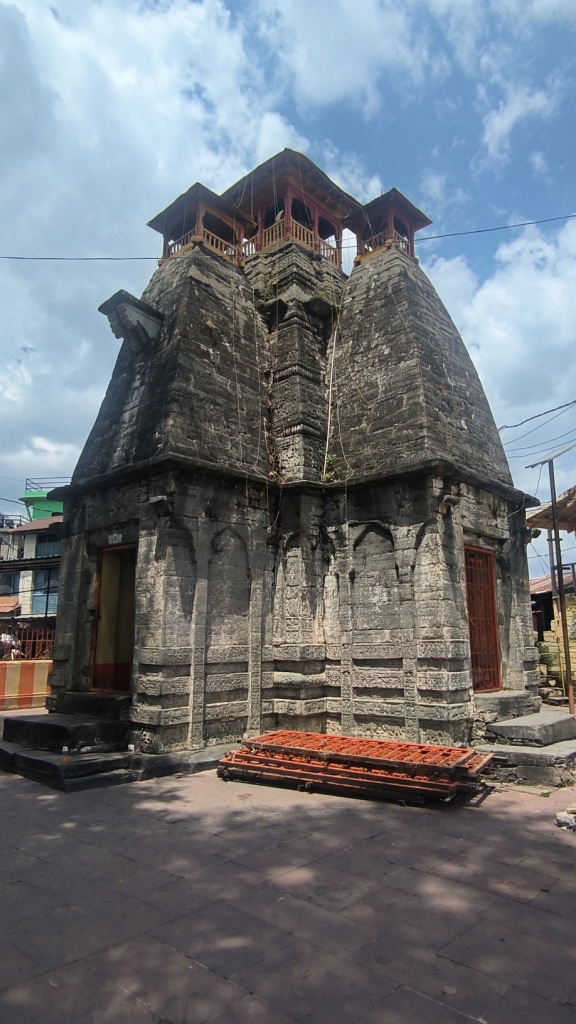
Nanda Devi Temple
My next destination was Nanda Devi Temple, located around 600 metres from the museum. It looked like an easy walk. My phone’s GPS repeatedly confused me and kept directing me past the narrow uphill turn leading towards Thana Bazaar. After walking in the wrong direction more than once, I finally did what every traveller eventually has to do in the mountains – I asked the locals. Within minutes, I was back on the correct path.
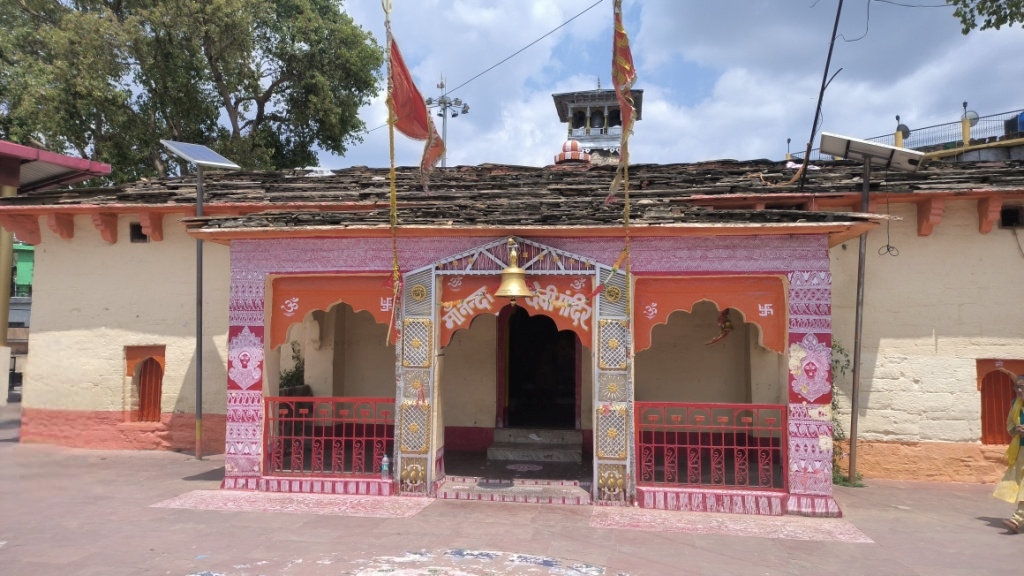
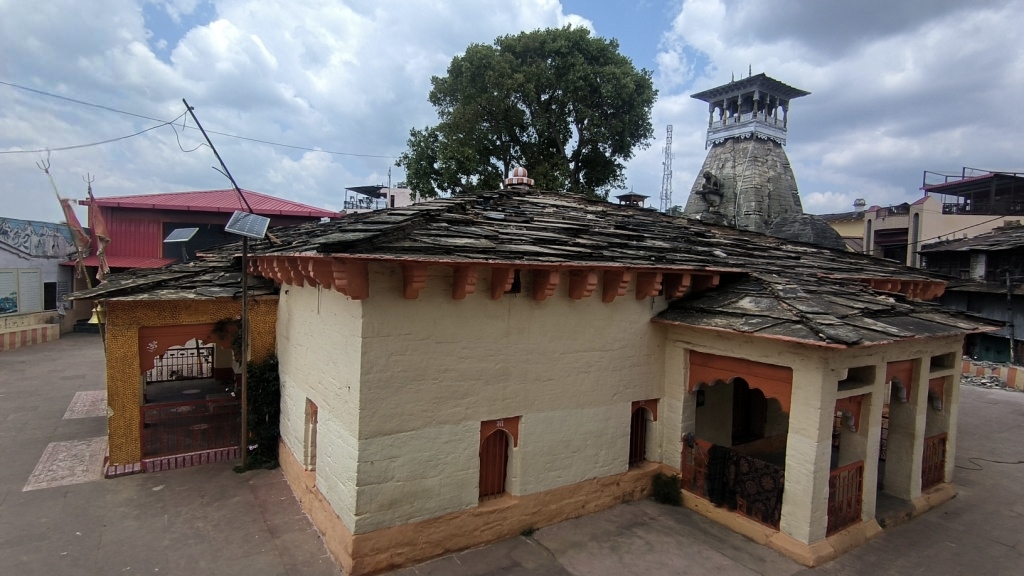
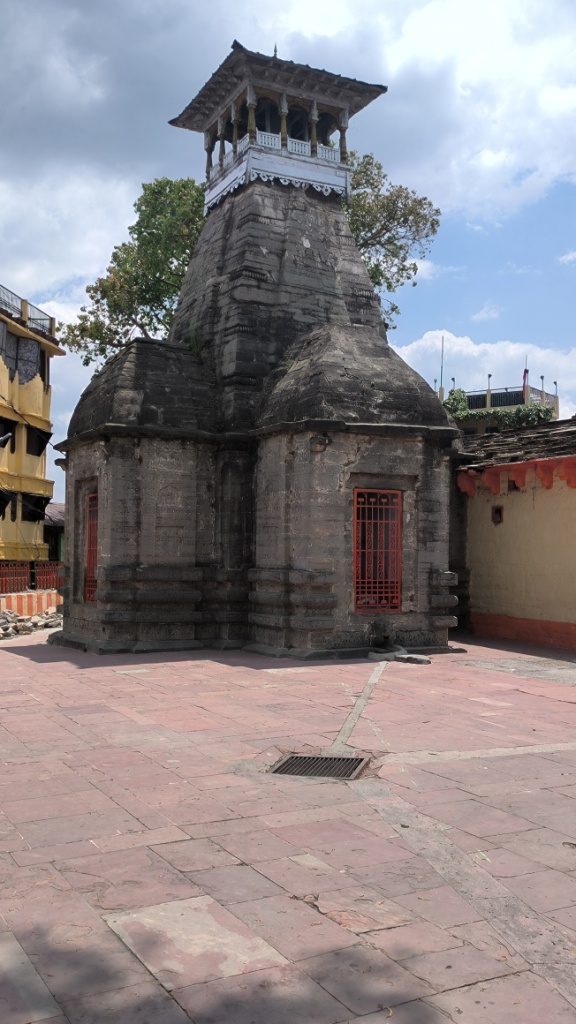
Nanda Devi Temple
The Nanda Devi Temple is undoubtedly the most important temple in Almora. The presiding deity is Goddess Nanda Devi, worshipped as an incarnation of Parvati/Durga and regarded as the patron goddess of the Kumaon region and the old Chand dynasty. The idol is housed in a palanquin alongside a Sunanda Devi idol – the temple traditionally honors both Nanda and Sunanda as sister goddesses of the Kumaon and Garhwal regions. The idol of the goddess is actually built within an older, pre-existing Shiva temple structure.
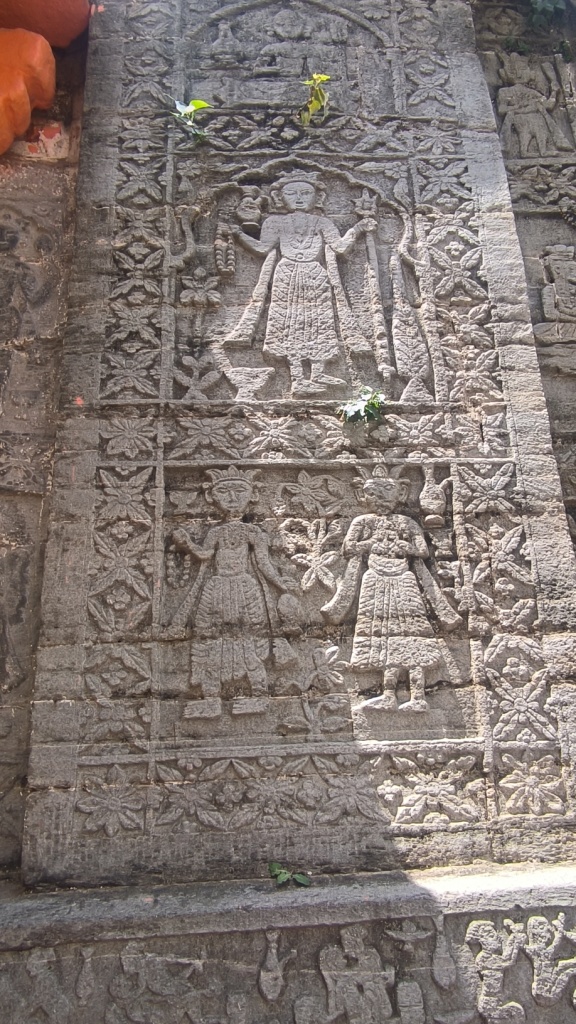
While walking around the temple, I noticed something I had never expected to see here. Near the base of the outer walls were small erotic carvings. Although these carvings were much smaller and far less elaborate than those found in Khajuraho (Madhya Pradesh), they were impossible to ignore.
Katarmal Sun Temple
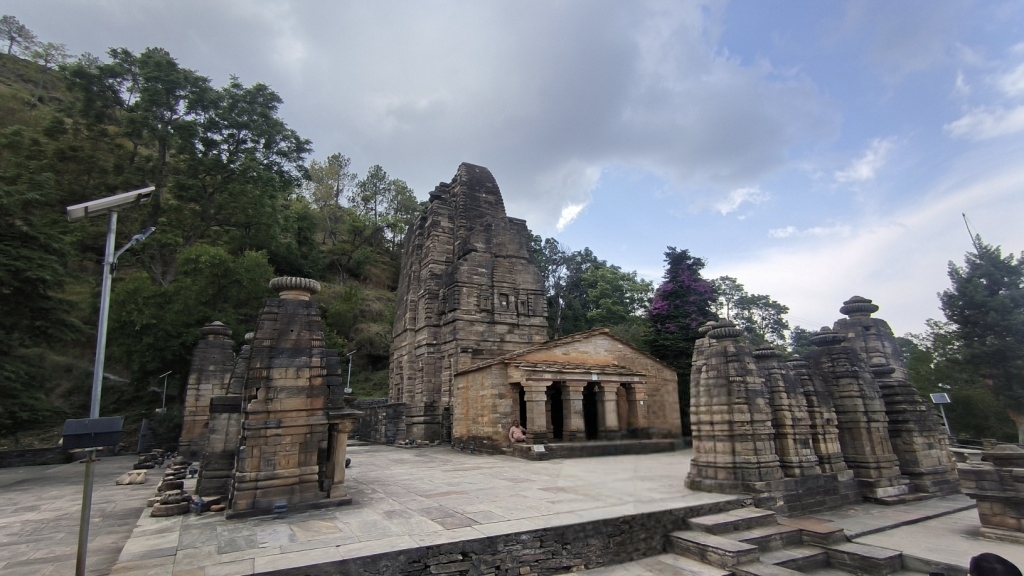
By around 3 PM, I had completed my visit to Nanda Devi Temple. The next destination on my list was one of Uttarakhand’s most remarkable yet lesser-known monuments – the Katarmal Sun Temple. The temple lies about 7 kilometres from Almora on the Ranikhet Road.
I asked a few local residents about the easiest way to reach the temple. Everyone I spoke to recommended the same route – take a shared taxi to Kosi and then complete the final 1.5-kilometre trek on foot. Although a motorable road leads all the way to the temple, I deliberately chose to walk. After all, 1.5 km didn’t sound like much, and I felt trekking would make the experience more rewarding.
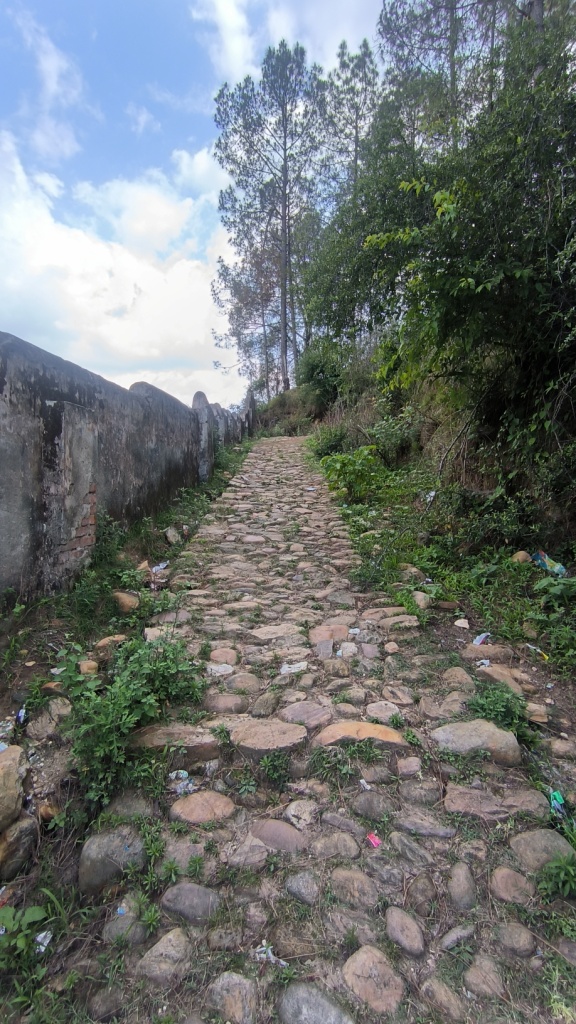
Trek to Sun Temple
That confidence lasted only for the first few minutes. As the trail began climbing steeply uphill, the combination of the thin mountain air and the continuous ascent quickly tested my stamina. What had seemed like an easy walk turned into a surprisingly demanding climb. By the time I reached the temple entrance, I was drenched in sweat. I had also emptied the entire one-litre water bottle I had been carrying along the way. After taking a few minutes to catch my breath, I finally stepped inside the temple, feeling that I had truly earned the visit.
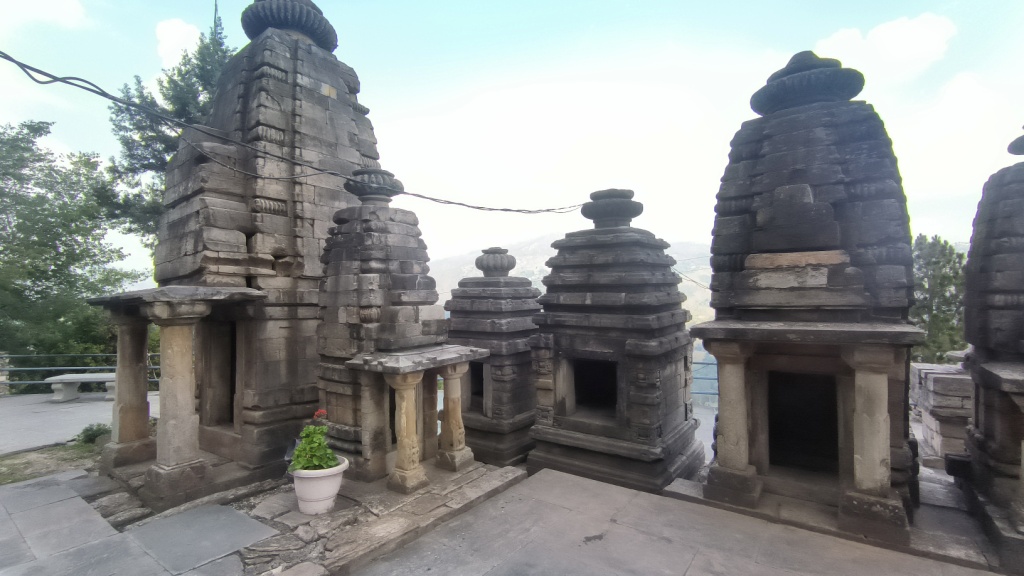
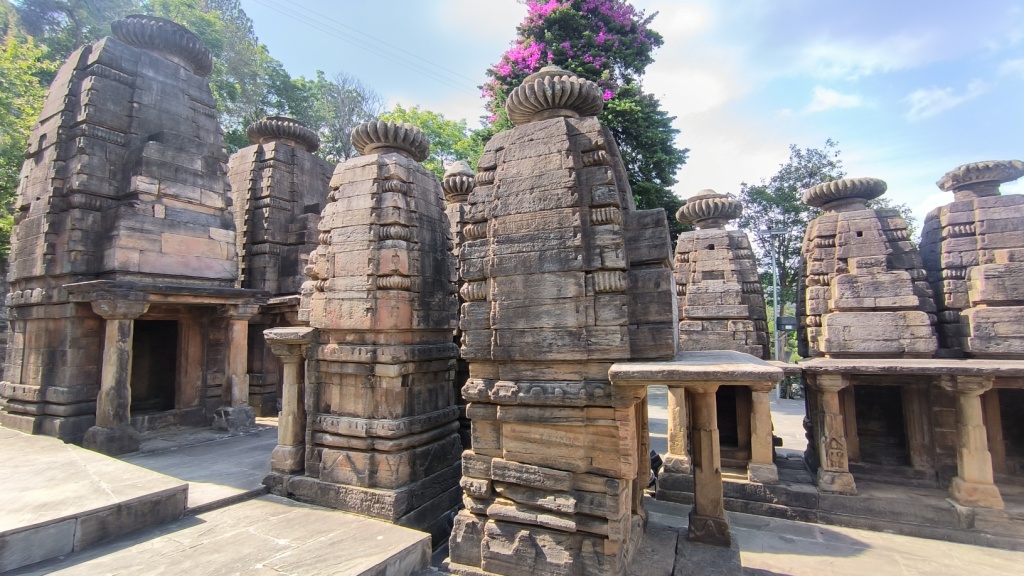
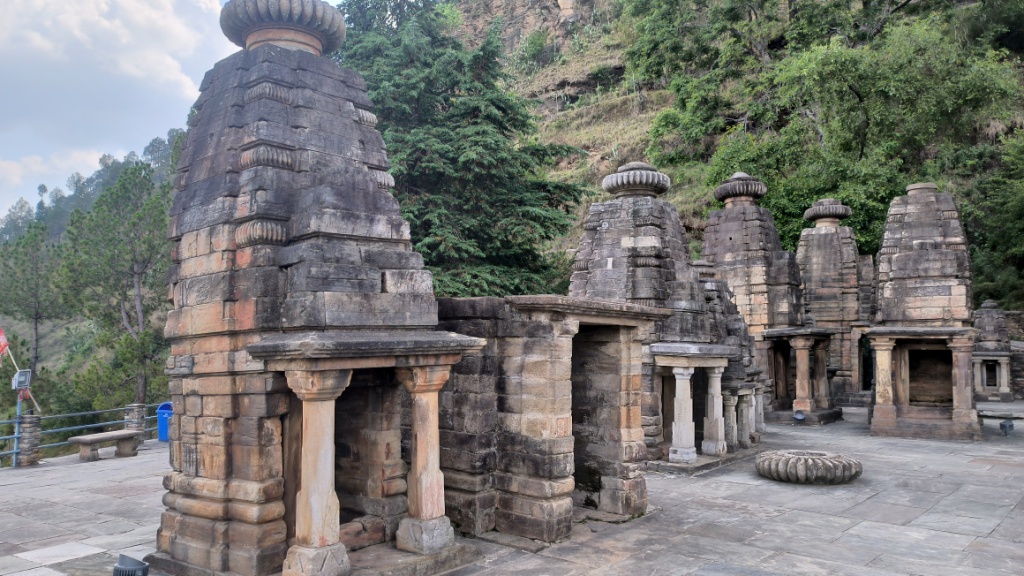
The temple is regarded as India’s second most important Sun Temple after the Konark in Odisha. Built in the 9th century by Katyuri king Katarmalla, the temple complex consists of one principal shrine dedicated to Surya (the Sun God), surrounded by 45 smaller temples. Even after more than a thousand years, its beautifully carved stone pillars, intricate sculptures and remarkable architecture continue to impress visitors. Today, the monument is protected by the Archaeological Survey of India (ASI).
Sun Temple
The temple is regarded as India’s second most important Sun Temple after the Konark in Odisha. Built in the 9th century by Katyuri king Katarmalla, the temple complex consists of one principal shrine dedicated to Surya (the Sun God), surrounded by 45 smaller temples. Even after more than a thousand years, its beautifully carved stone pillars, intricate sculptures and remarkable architecture continue to impress visitors. Today, the monument is protected by the Archaeological Survey of India (ASI).
The final return walk through deodar trees was peaceful, but the climb quickly reminded me that mountain trekking is very different from walking in the plains. By the time I completed the return trek, I was completely exhausted. Yet every step had been worth the effort.
Bright End Corner
Back at Kosi, I boarded a local bus to return to Almora. Instead of taking the route I expected, the bus travelled via Lower Mall Road before dropping me at Karbala Tiraha. Initially, I thought I had been dropped at the wrong place. Soon, however, I realised it was actually a blessing in disguise. The next attraction on my itinerary – Bright End Corner, was much closer from here.
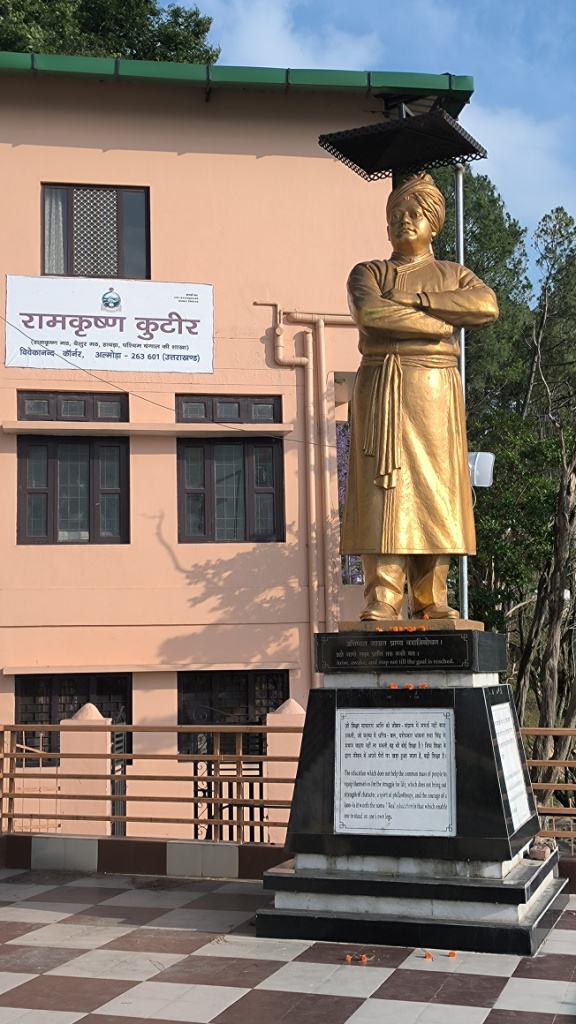
Located about 2 kilometres prior to Almora city center, Bright End Corner is famous for its panoramic sunrise and sunset views over the Himalayas. The peaceful surroundings also house the Swami Vivekananda Memorial and a small library dedicated to his teachings.
Swami Vivekananda Memorial
Almora City
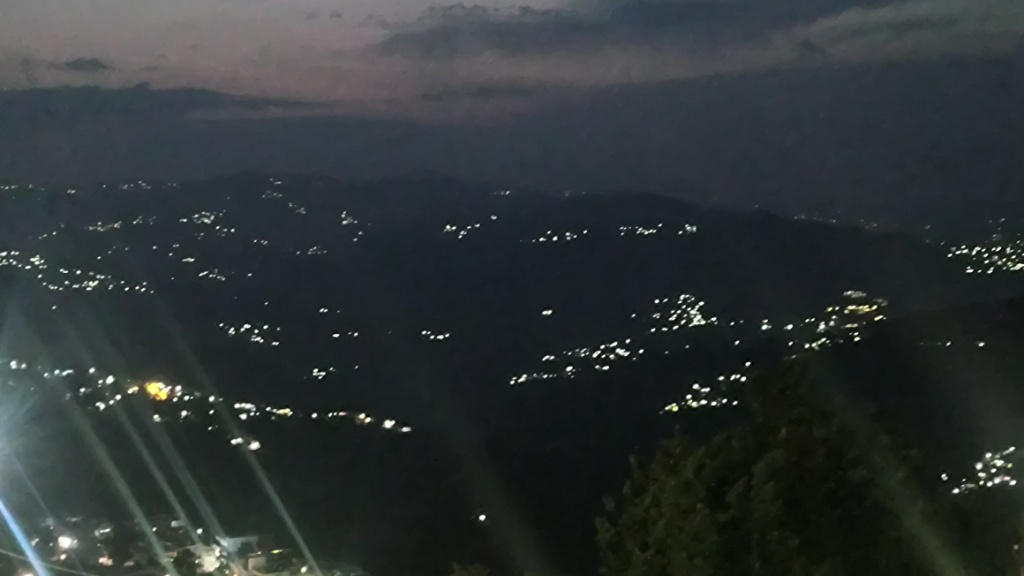
Almora under Night lights
Ending the Day with Simple Food and Peaceful Sleep
As dusk settled over Almora, a gentle chill filled the air. It was cool enough to feel refreshing but not cold enough to require heavy winter clothing. I walked back via the mall road to my guest house for some much-needed rest before heading back to my now familiar dining spot – Simple Family Restaurant. Dinner was once again a wholesome vegetarian thali.
After spending an entire day exploring museums, temples, historic monuments and scenic viewpoints, it was exactly the kind of comforting meal I needed. With that, I called it a day.
Day 2: Kasar Devi, Binsar Wildlife Sanctuary and Zero Point – Into the Silent Forests of Kumaon
After an eventful first day exploring Almora’s temples and historical landmarks, I woke up early on Sunday with a sense of excitement. This was the second and final day of my trip, and I had reserved it for what I considered the highlight of the entire journey – a visit to Kasar Devi Temple followed by an excursion to Zero Point inside Binsar Wildlife Sanctuary.
Unlike the previous day’s sightseeing within Almora town, today’s adventure would take me deep into the forests of Kumaon.
A Traditional Kumaoni Breakfast
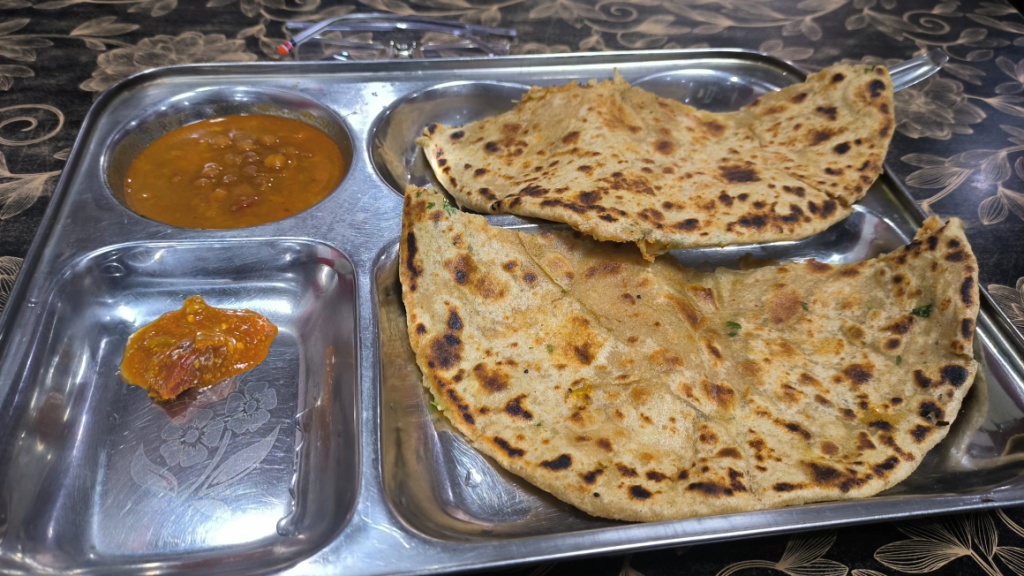
The morning began with a refreshing hot water bath before heading out in search of breakfast. I ordered one of the region’s most popular dishes – Kumaoni aloo paratha, served with spicy chana gravy and accompanied by a steaming cup of tea. Simple local breakfasts like these are one of the joys of travelling through Uttarakhand. They are filling, freshly prepared and provide enough energy for an entire morning of exploration.
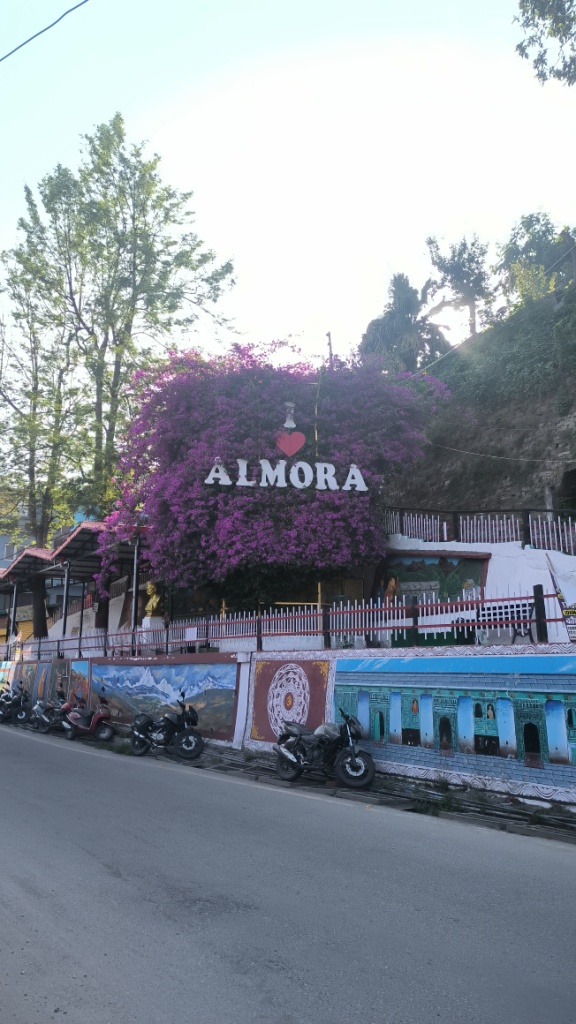
Almora - Mall Road
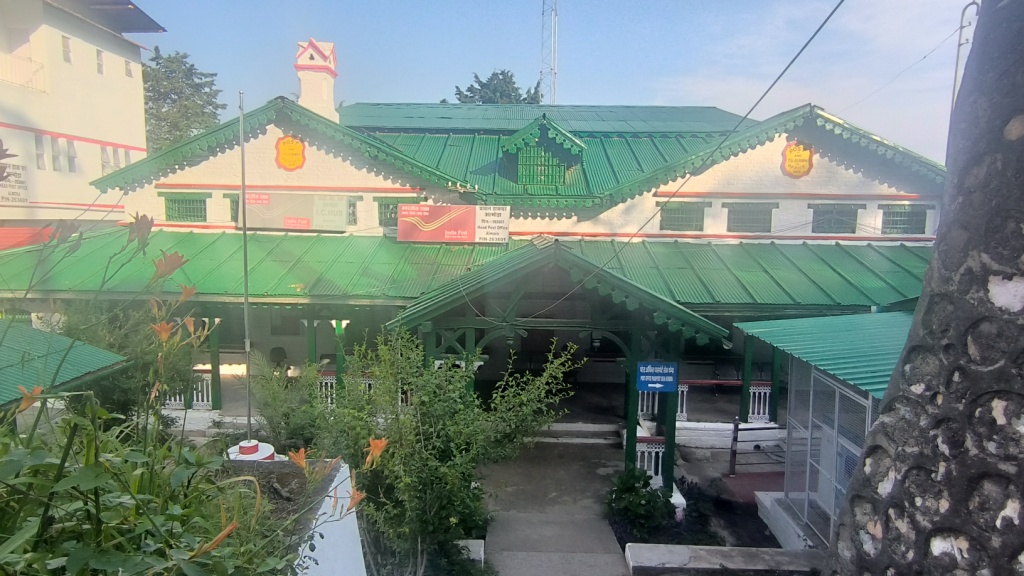
Almora - Post Office
Breakfast
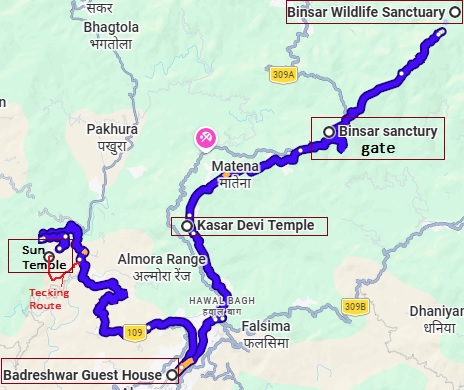
With breakfast done, it was time to solve the biggest challenge of the day – transport. Kasar Devi Temple lies about 10 kilometres from Almora on the Almora–Bageshwar Road (State Highway 37). Around 17 kilometres further ahead is the entrance to Binsar Wildlife Sanctuary, from where visitors have to continue deeper inside the sanctuary before trekking to Zero Point.
Almora-Kasar Devi-Binsar
Unfortunately, reaching Binsar is not as straightforward as visiting other tourist attractions around Almora. Since the sanctuary is located in a relatively secluded area, public transport is practically unavailable. Visitors either need their own vehicle or have to hire a private taxi.
I spoke to several taxi operators on Mall Road. Most quoted around ₹2,500 for a round trip. Since I was on budget trip, spending that much on transport did not seem practical.
I noticed a small kiosk offering two-wheelers on rent. The price immediately caught my attention – ₹500 for an entire day. The decision was easy. Besides saving nearly two thousand rupees, riding through the Kumaon hills on a scooter sounded far more enjoyable than sitting inside a taxi.
I rented a scooty, filled petrol worth ₹100, switched on Google Maps and soon began my ride towards Kasar Devi Temple.
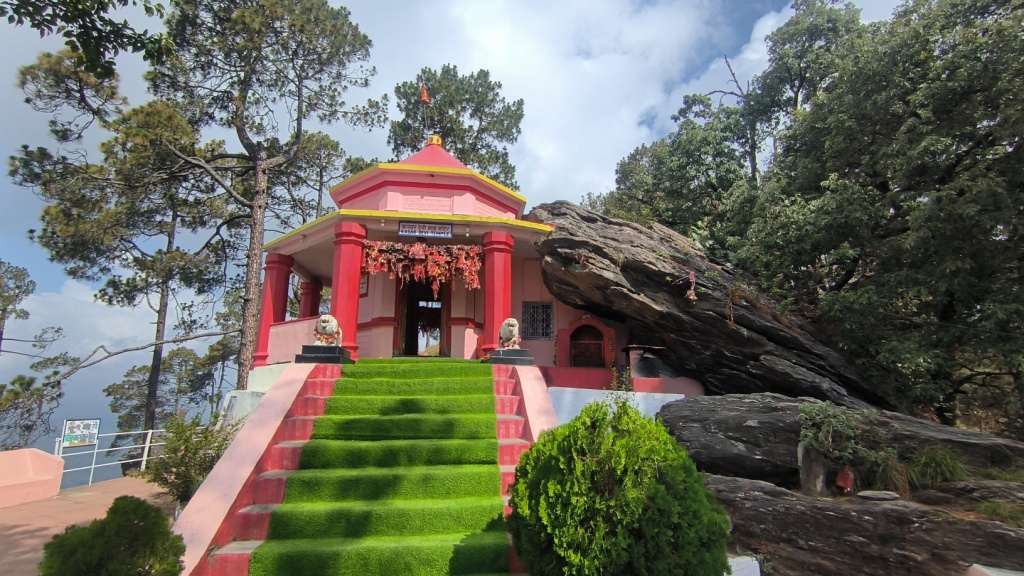
Kasar Devi Temple
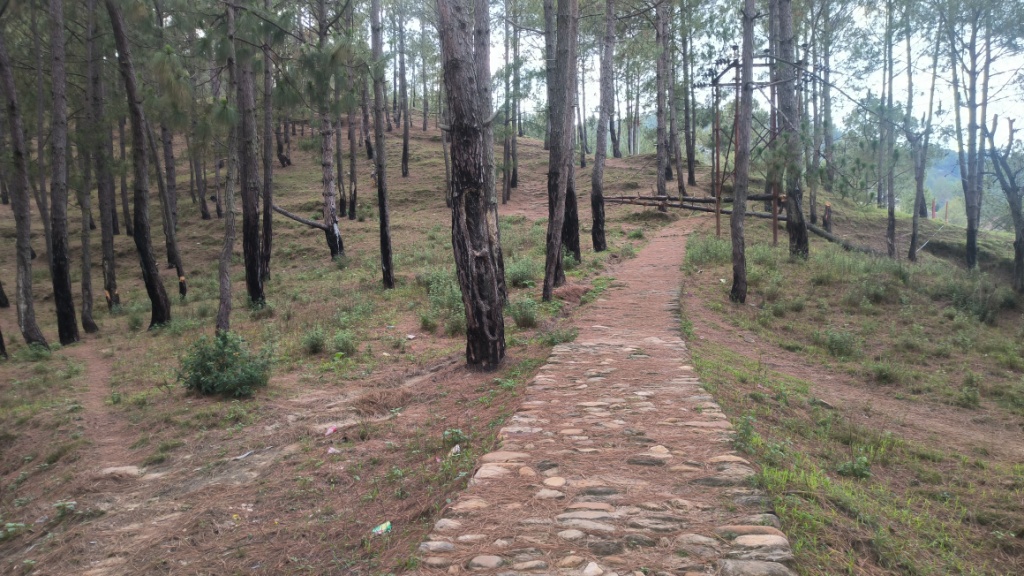
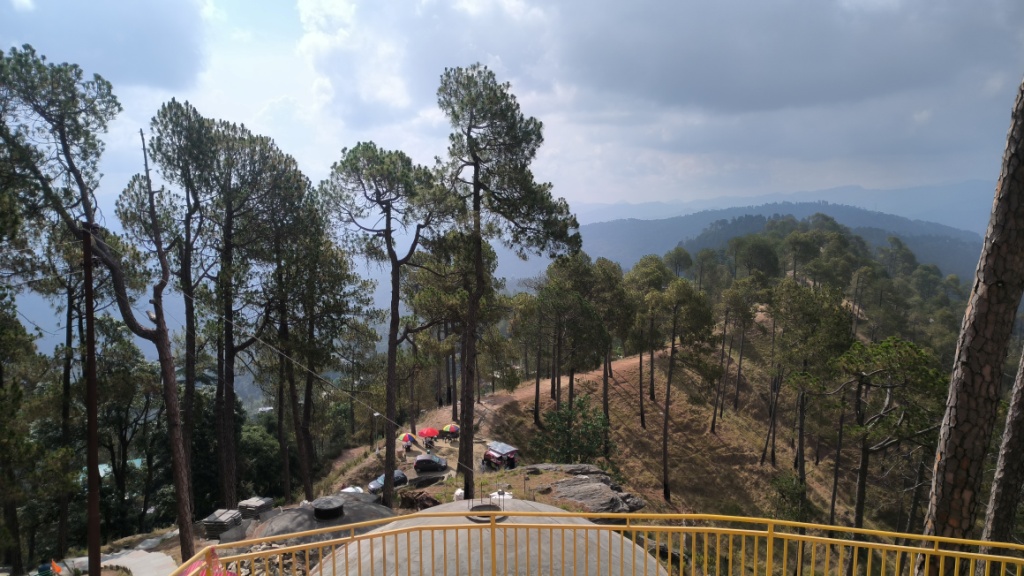
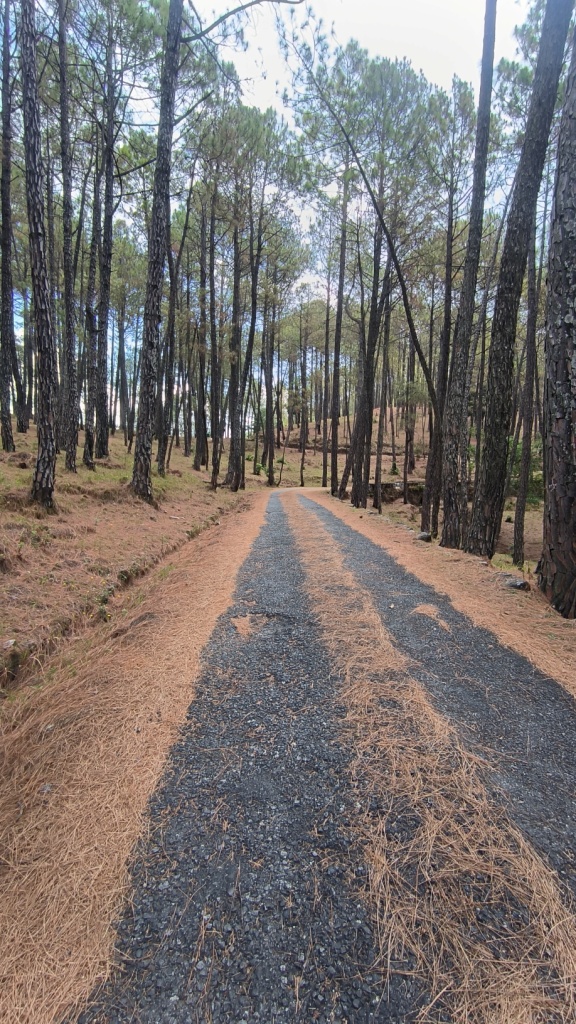
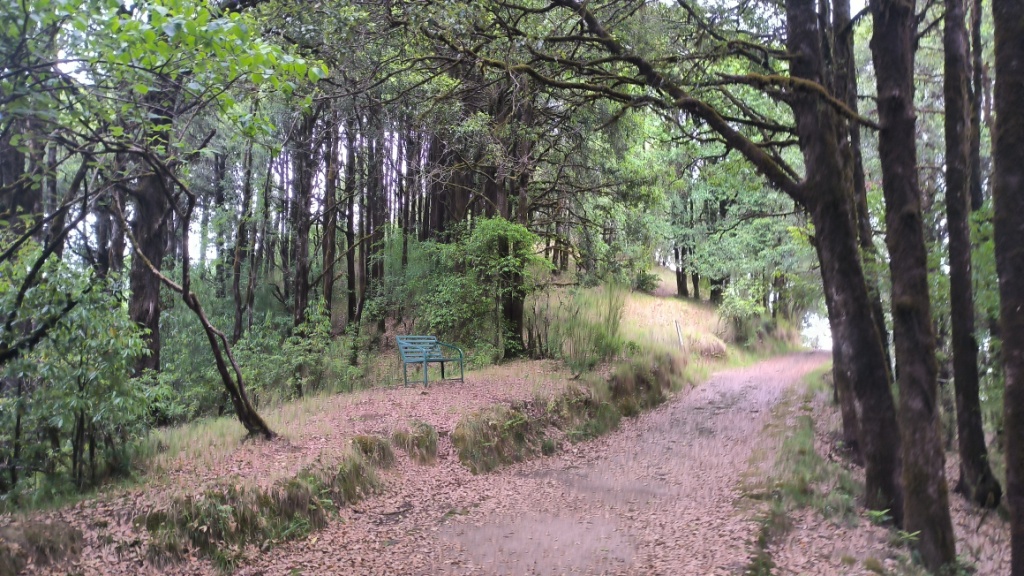
After a pleasant drive through winding mountain roads, I reached the parking area at the base of Kasar Devi Temple. From there, a short uphill climb led to the temple. The walk itself felt refreshing. Surrounded by pine and deodar trees, the path gradually left behind the sounds of passing vehicles. By the time I reached the hilltop, only the rustling leaves and chirping birds could be heard.
Kasar Devi Temple
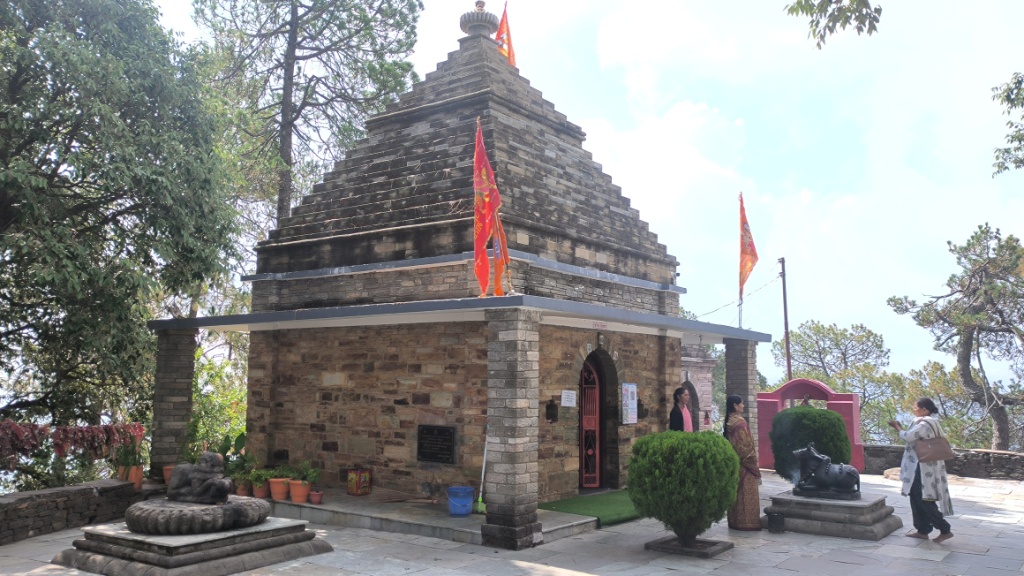
Shiva Temple
Dedicated to Goddess Kasar Devi, a manifestation of Goddess Durga, this ancient temple is believed to date back to the 2nd century CE. Unlike many famous temples that attract large crowds throughout the day, Kasar Devi has a remarkably calm atmosphere. Its simplicity is its greatest strength. There is another temple above the main Kasar Devi Temple. If you climb another 80–100 metres uphill, you will reach a Lord Shiva Temple. This upper temple offers even better panoramic views of the Kumaon valleys and the Himalayan ranges.
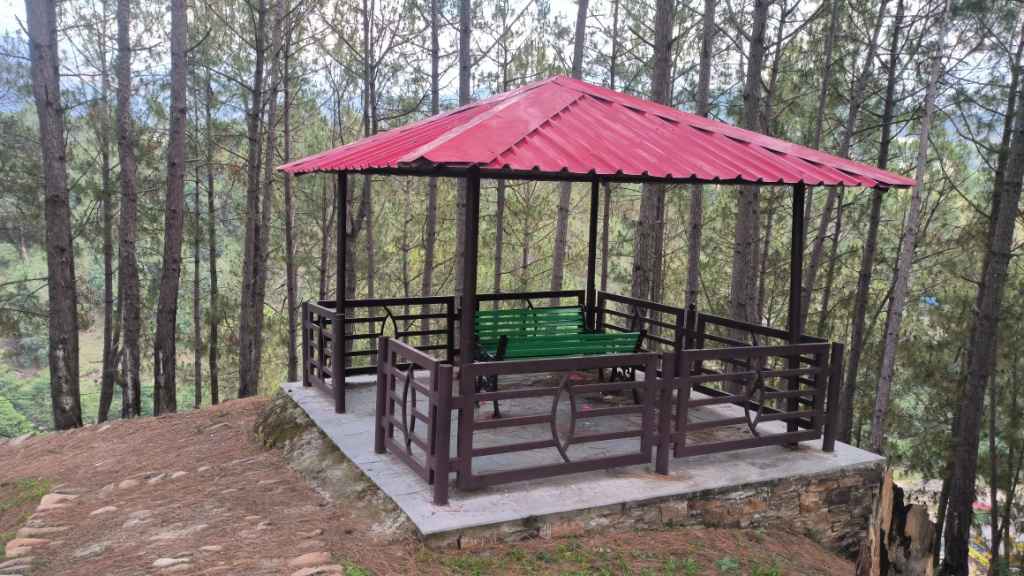
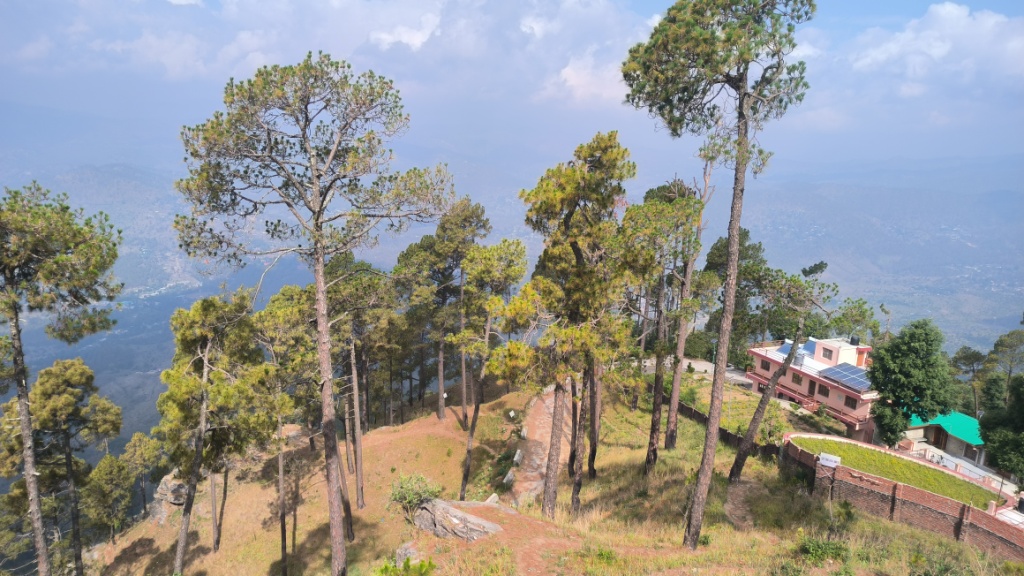
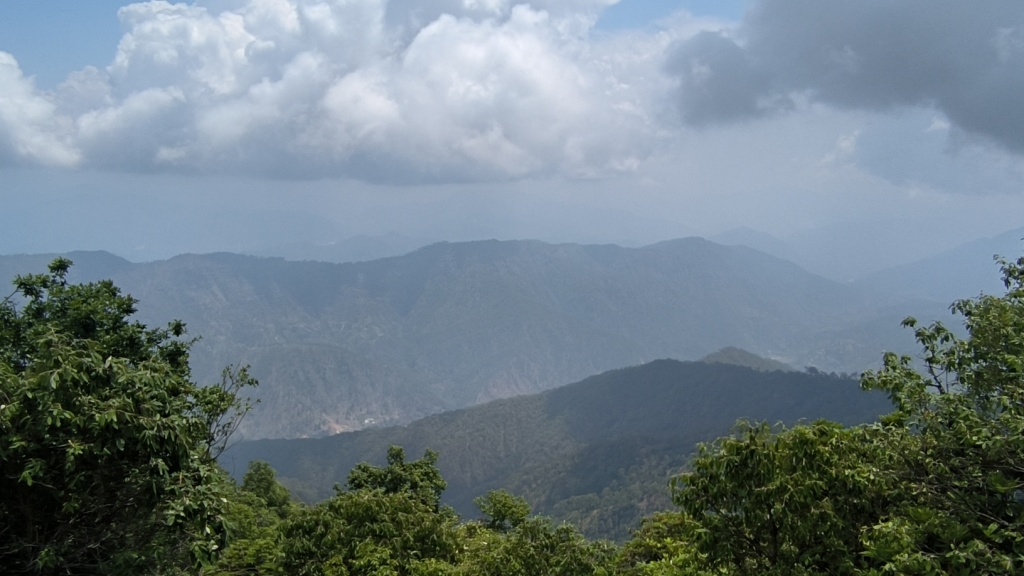
Standing near the temple, I admired the sweeping views of the Kumaon valleys stretching into the distance. On clear days, visitors can even spot snow-covered Himalayan peaks from here. Although I had planned to continue towards Binsar, I spent a few quiet moments simply enjoying the silence. Sometimes, the most memorable part of travelling is doing absolutely nothing.
Driving Towards Binsar Wildlife Sanctuary
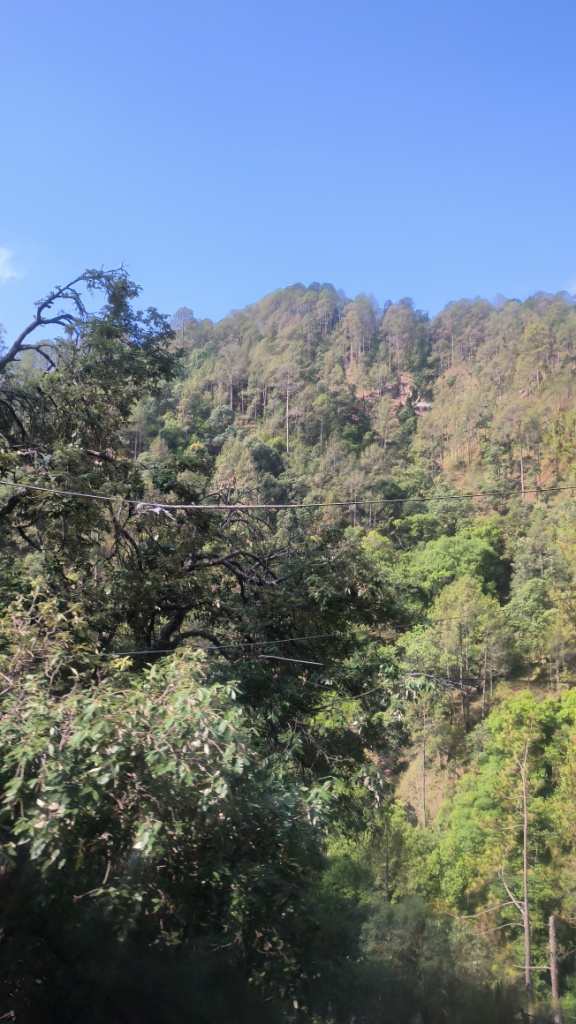
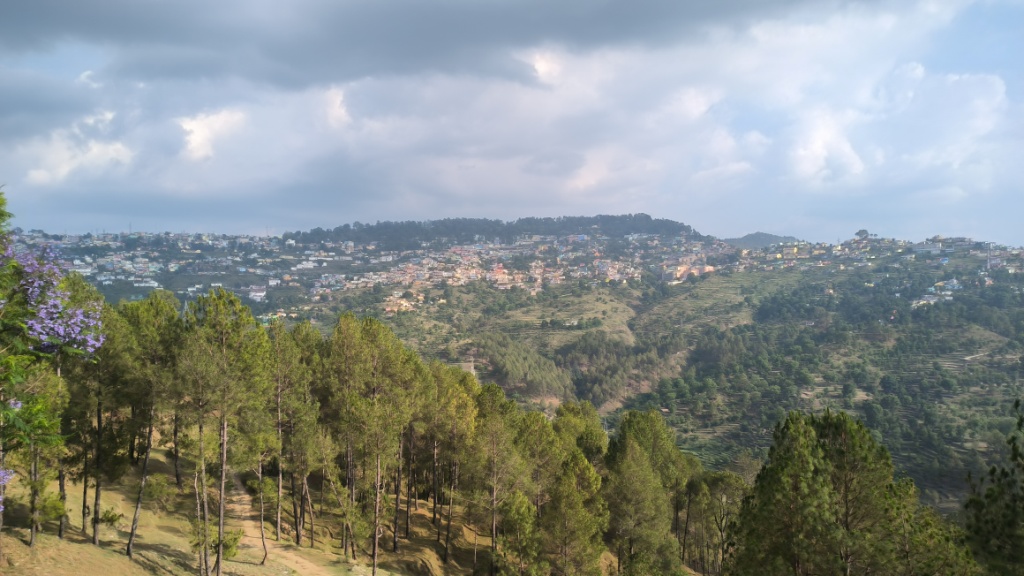
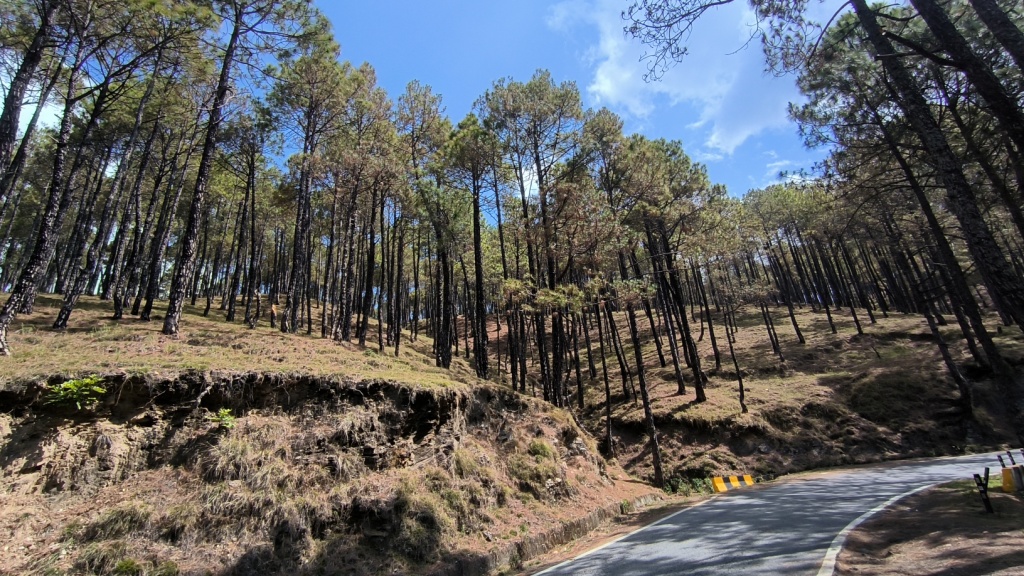
After leaving Kasar Devi, the road gradually became quieter. The villages became fewer. Traffic almost disappeared. Dense forests slowly replaced open mountain slopes. Every passing kilometre made it obvious that I was entering one of Uttarakhand’s most beautiful protected forests.
Binsar Wildlife Sanctuary spreads across dense Himalayan oak and pine forests. Once associated with the Chand rulers of Kumaon and later favoured during the British era for its cool climate and scenic surroundings, the area was officially declared a wildlife sanctuary in 1988 to protect its rich biodiversity and fragile oak forests.
Unlike many wildlife destinations that focus primarily on tiger sightings or jeep safaris, Binsar offers something different. Its greatest attraction is silence. Here, visitors come not only for wildlife but also for peaceful forest walks, mountain scenery and bird watching.
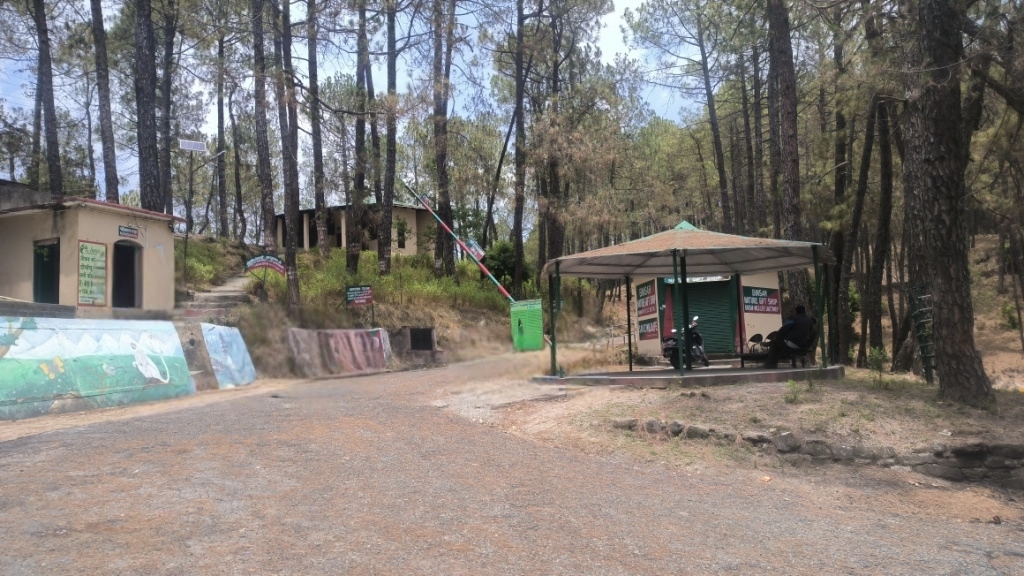
On reaching the sanctuary entrance, I stopped at the Forest Department check post to complete the registration formalities. I showed my adhaar card and paid the entry charges. At the time of my visit, the charges were approximately: Entry fee: ₹150 per person & Vehicle entry (car or two-wheeler): Around ₹250
Check Post
On way to Zero Point
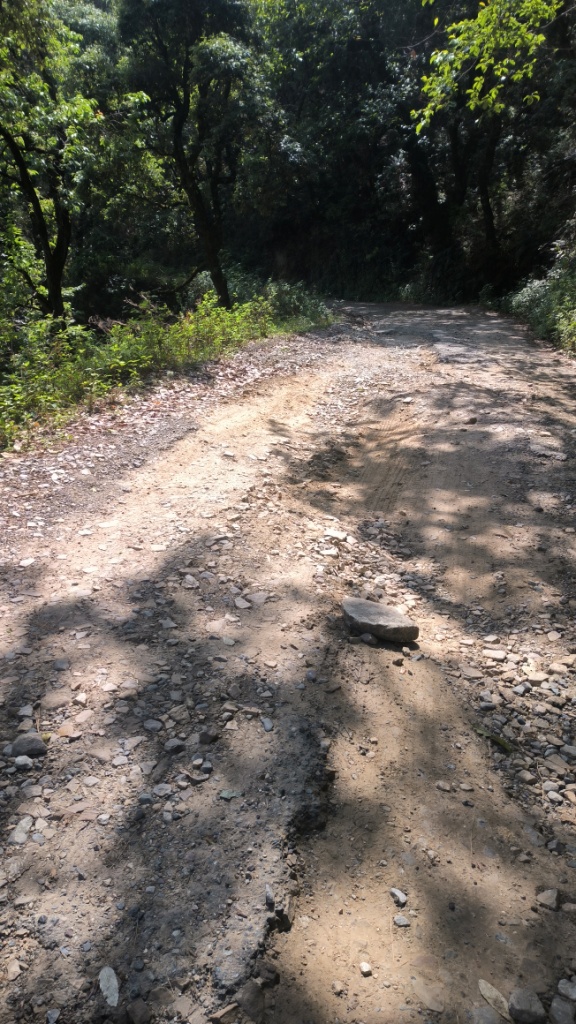
Once the paperwork was complete, I rode through the forest gate and entered what turned out to be one of the finest mountain drives I have ever experienced. The drive from the sanctuary gate to the parking area near the trekking trail covers roughly 7 kilometres. Surprisingly, throughout most of this stretch, I hardly encountered another vehicle. It was just me, my scooter and miles of dense Himalayan forest.
Although the road had several broken patches that forced me to slow down occasionally, I did not mind at all. In fact, those slow sections became opportunities to absorb the surroundings. Several times, I stopped the scooter simply to experience the silence. It was unlike the silence of a city. Here, silence had its own sound. Occasionally, it was interrupted by birds singing somewhere high in the trees. Sometimes, only the rhythmic chorus of crickets echoed through the forest. Even today, this drive remains one of my favourite memories from Uttarakhand.
The Walk to Zero Point
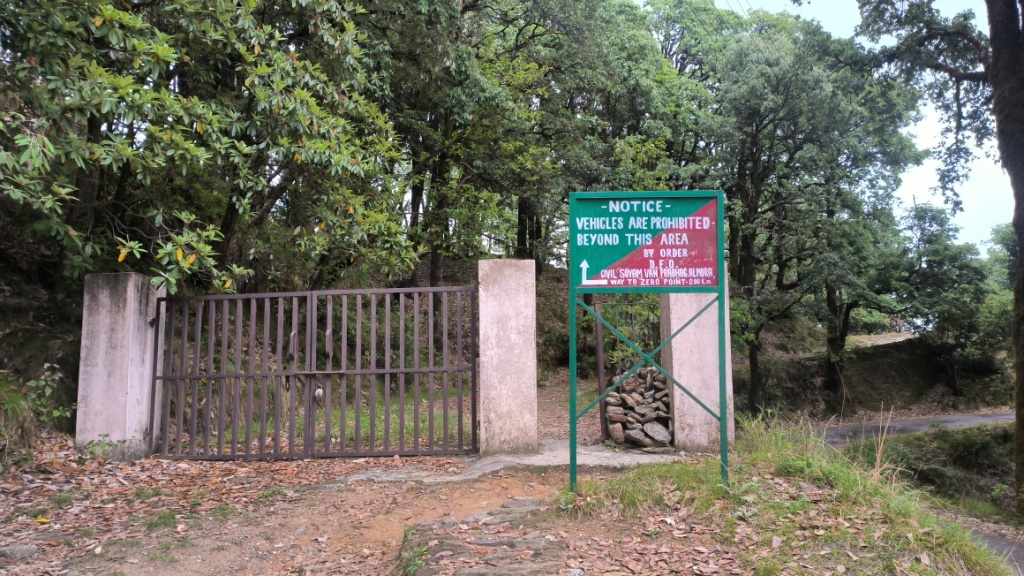
Eventually, I reached the designated parking area. Beyond this point, all vehicles must stop. Visitors have to complete the remaining 1.5-kilometre trek through the forest to reach Zero Point. The trail is not particularly long. The forest looked beautiful. Yet, there was something else that I had not anticipated – I was completely alone. As I continued walking, I realised I had not seen another visitor for quite some time. Suddenly, the forest felt much larger. Every rustling leaf caught my attention. Every unusual sound made me pause. For the first time during this trip, I genuinely felt nervous. The possibility of encountering a wild animal crossed my mind repeatedly. More than once, I considered turning back.
Trek Start Point
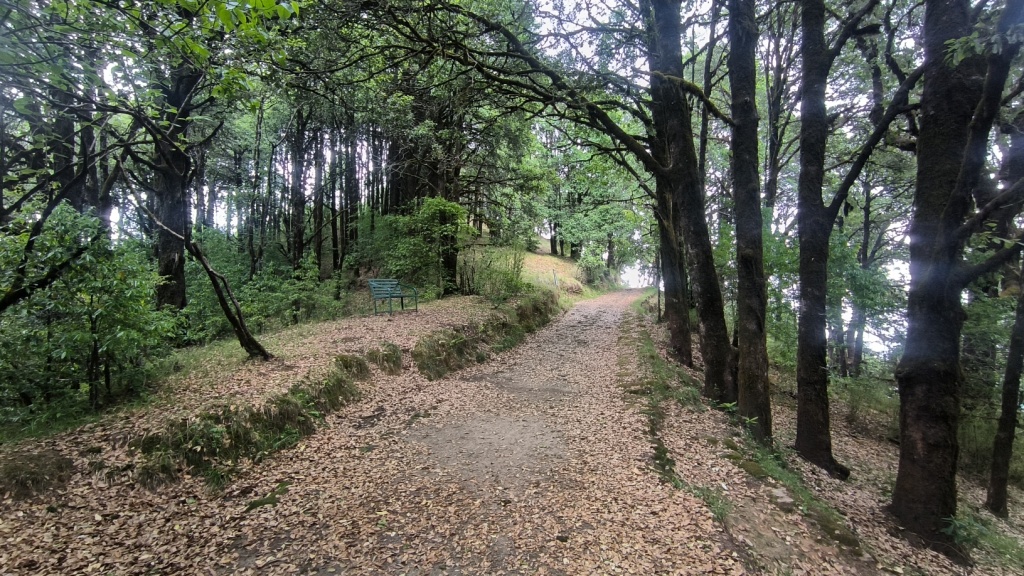
The Trek
For a few moments, the solitude felt overwhelming. Then I reminded myself why I had started this journey in the first place. Taking a deep breath, I gathered my courage and continued walking. Looking back now, overcoming that fear became just as memorable as reaching the destination itself.
Finally, the forest opened up. I had reached Zero Point, the highest accessible viewpoint inside Binsar Wildlife Sanctuary. A watchtower-like platform overlooks one of the finest Himalayan panoramas in Kumaon. On a perfectly clear day, visitors can see an extraordinary chain of snow-covered peaks, including – Kedarnath, Chaukhamba, Trishul, Nanda Devi & Nanda Kot.
Trek Continues
Zero Point
Unfortunately, nature had different plans for me. By the time I arrived, clouds had gathered over the mountains. The Himalayan peaks appeared only faintly through the haze. For a brief moment, I felt disappointed. Then I realised something important. The destination was never the entire journey.
The return trek felt much easier. Perhaps the nervousness had disappeared. Perhaps I had become familiar with the trail. Soon I was back on my scooter. The drive through the sanctuary was every bit as beautiful as it had been in the morning.
By around 1:30 PM, I had returned to Almora and handed the scooter back to the rental shop. Renting the two-wheeler had undoubtedly been one of the best decisions of the trip.It saved money, offered complete flexibility and transformed the journey itself into an unforgettable experience.
A Sweet Farewell to Almora
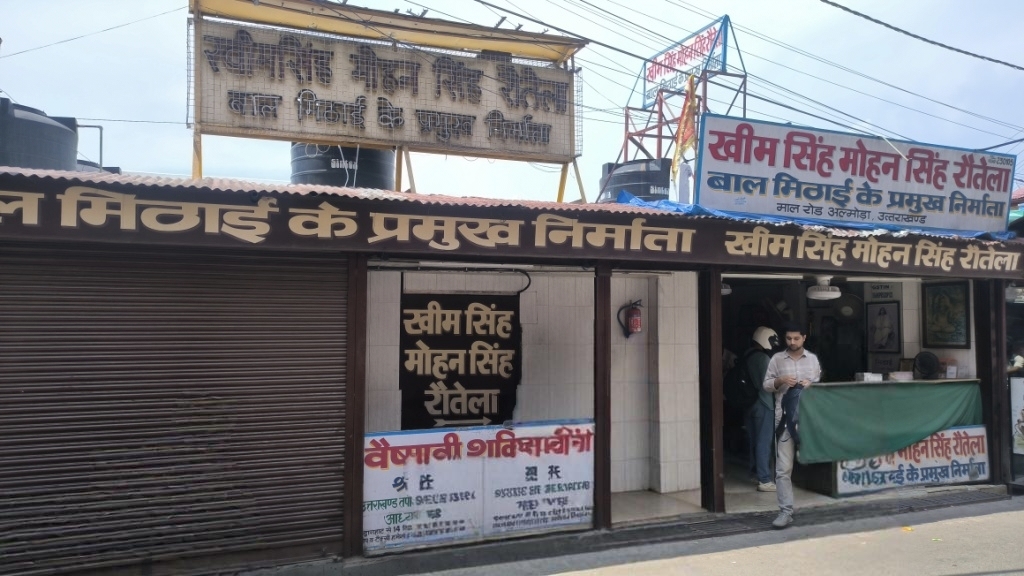
Kheem Singh Mohan Singh Rautela
Before leaving Almora, there was one final stop I simply could not miss. No visit to Almora is complete without buying its famous Bal Mithai. I walked to Kheem Singh Mohan Singh Rautela Sweets, located close to the Mall Road bus stand. The shop is almost an institution in Almora. It does not resemble a modern sweet showroom. Instead, its old-world simplicity adds to its charm. I bought a box of the town’s signature sweet.
Made from roasted khoya, Bal Mithai has a rich caramel-like flavour and is coated with tiny white sugar balls that give it its distinctive appearance.
Along with Bal Mithai, the shop is also famous for Singori, another traditional Kumaoni sweet wrapped in fragrant leaves. These sweets have become synonymous with Almora, and they make perfect souvenirs to carry home.
The Journey Back Home - Rudrapur
By 2:00 PM, I had boarded a bus back to Haldwani. Unlike my onward journey, the bus departed on time. However, one familiar obstacle awaited me once again. As expected, traffic came to a standstill near Kainchi Dham. The massive weekend rush delayed the journey by nearly an hour. Fortunately, I had planned my schedule with sufficient buffer time.
As the bus slowly descended from the Kumaon hills towards the plains, I looked back at the mountains one last time. From Haldwani, I boarded another bus to Delhi, which dropped me to Rudrapur Bus stand.
In just two days, Almora had given me far more than I had expected. It had offered history, spirituality, forests, local food, warm people, unforgettable roads and moments of solitude that only solo travel can provide.
Kumaun Travel Tips
Choose shared cabs if you’re short on time. Public buses are cheaper but slower. They add 20-30 minute halts at all major intermediary stops. Shared cabs like – Mahindra Boleros and Tata Sumos are faster and worth the time and money.
Pack light during summers. For a May trip, a full-sleeve T-shirt is sufficient. Carry a light jacket to beat early morning and evening chill.
If trekking is on your itinerary, investing in proper walking shoes and walking poles makes a world of difference.
Avoid wearing slip-on shoes. They are risky while trekking. (I did this mistake while trekking to Sun Temple)
Avoid Kainchi Dham during peak hours. Traffic is usually heaviest between 10:00 AM and 4:00 PM, especially on weekends, long weekends and during the summer tourist season. Cross early in the morning or later in the evening whenever possible.
Keep extra time for Kathgodam. The stretch from Do-Gaon to Ranibagh is a regular bottleneck where traffic from major Kumaon destinations converges. If you’re catching a train from Kathgodam or Haldwani, keep a buffer of 1.5 – 2 hours, especially on weekends.
Carry some cash. Shared taxis and a few small eateries may prefer cash payments, particularly in smaller towns. ATMs are available in almost all the towns.
Start sightseeing early. You’ll enjoy cooler weather, fewer crowds and have enough time to reach your next destination comfortably.
Keep your itinerary flexible. Traffic jams, road work and waiting for shared taxis are part of mountain travel. Avoid planning a tight schedule, especially if you’re travelling by public transport.